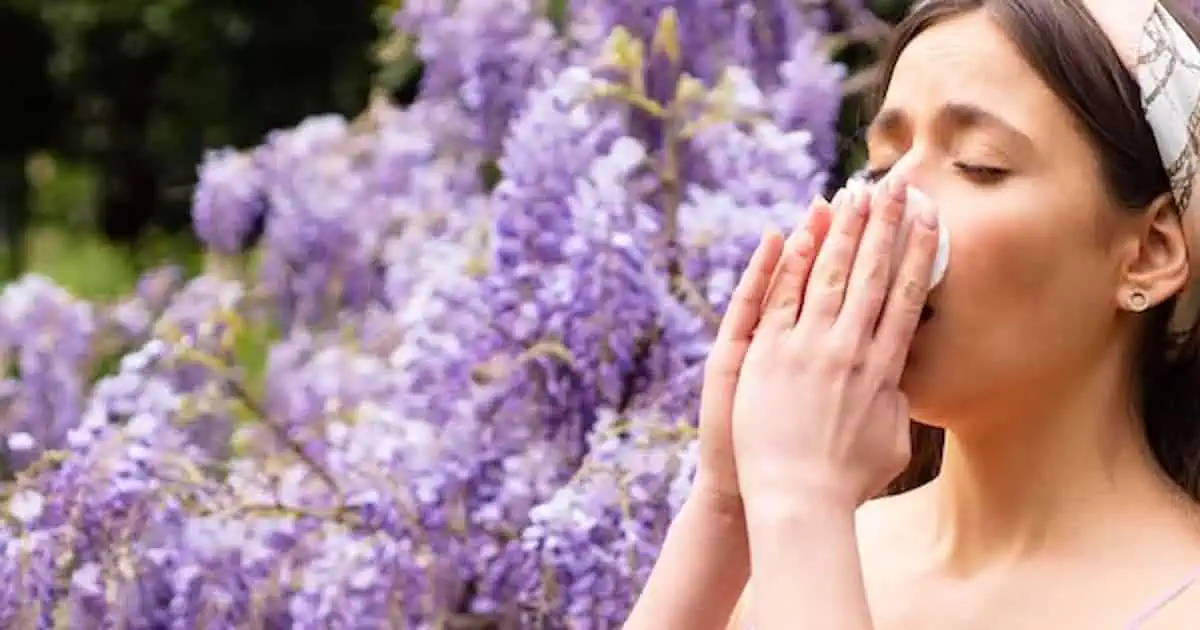
Warm, pleasant weather can be difficult to enjoy when pollen triggers sneezing, congestion, watery eyes, or asthma symptoms. Exposure often changes from one day to another because pollen levels depend on plants, season, weather, and location.
Instead of avoiding the outdoors completely, planning when and how you spend time outside can reduce unnecessary exposure while keeping normal activities in your routine.
Why Pollen Symptoms Change Through the Season
Trees, grasses, weeds, and other plants release pollen at different times. Someone who feels comfortable outdoors during one part of the year may notice strong symptoms several weeks later.
The CDC describes pollen as an airborne allergen that can contribute to allergic rhinitis symptoms such as sneezing, congestion, and a runny nose. It may also cause itchy or watery eyes and can trigger asthma symptoms in susceptible people. CDC pollen guidance explains that pollen exposure varies by season and location.
Plan Outdoor Time Around Your Pattern
Pay attention to when symptoms tend to appear. A simple note of the date, activity, weather, and symptoms can sometimes reveal patterns that are hard to recognize from memory.
People browsing seasonal wellness guides may find plenty of general allergy suggestions, but personal exposure patterns still matter. A long walk, gardening session, or outdoor workout may produce different symptoms depending on the plants and conditions around you.
Checking a reputable local pollen forecast before extended outdoor activity can also help with planning.
Limit What You Bring Back Indoors
Pollen can settle on clothing, hair, shoes, pets, and outdoor equipment. Changing clothes after prolonged outdoor exposure and keeping outdoor footwear away from sleeping areas may reduce what is carried through the home.
General daily health reading often discusses environmental habits, but simple routines can be more practical than complicated cleaning rituals. Focus on the areas where you spend the most time.
| Situation | Possible Exposure | Useful Adjustment |
|---|---|---|
| Gardening | Close plant contact | Change clothes afterward |
| Open windows | Outdoor air entering | Close them during difficult periods |
| Outdoor exercise | Longer exposure | Adjust timing when needed |
| Pets outdoors | Pollen on fur | Wipe or groom as practical |
Avoid Turning Allergy Season Into Indoor Isolation
Reducing exposure does not necessarily mean staying indoors for weeks. Activity, fresh air, exercise, and normal routines still matter.
Some lifestyle information resources may encourage broad seasonal changes, but it is usually more practical to identify the situations that cause the most trouble. Shortening a gardening session or moving a run to a different time may be enough for some people.
People with asthma should follow their established asthma plan and discuss recurring seasonal problems with a clinician.
Common Mistakes During Pollen Season
It is easy to blame every spring or fall symptom on pollen. Viral respiratory infections can also cause congestion, cough, sore throat, and fatigue, while irritants such as smoke may worsen breathing problems.
Another mistake is assuming a single bad day predicts the entire season. Pollen exposure can fluctuate considerably. Looking at the pattern over several days gives more useful information than reacting to one isolated episode.
When Seasonal Symptoms Need More Attention
Medical advice is appropriate when symptoms repeatedly disrupt sleep, work, school, exercise, or normal daily activity. People who develop frequent wheezing or asthma symptoms should not treat those changes as simple nasal allergies.
Seek urgent care for significant breathing difficulty, severe chest tightness, bluish discoloration, fainting, or another rapidly worsening reaction.
Frequently Asked Questions
Is pollen exposure the same every day?
No. Pollen levels change with plant cycles, weather, location, and season. Someone may have considerable symptoms on one day and much milder symptoms shortly afterward.
Can pollen affect the eyes?
Yes. Pollen exposure may contribute to allergic conjunctivitis, which can cause red, itchy, or watery eyes in people who are sensitive to airborne allergens.
Can pollen make asthma worse?
It can. For some people with asthma, pollen acts as a trigger. Repeated coughing, wheezing, chest tightness, or breathing difficulty during pollen season deserves appropriate medical attention.
Plan Around the Days That Affect You Most
Seasonal allergies do not always require giving up outdoor life. Watch your symptom pattern, reduce avoidable exposure, and adjust longer outdoor activities when conditions consistently make you uncomfortable.
If symptoms remain difficult to control or breathing becomes affected, get medical guidance rather than assuming seasonal discomfort must simply be tolerated.
This article is for general informational purposes and is not a substitute for professional medical advice, diagnosis, or treatment.