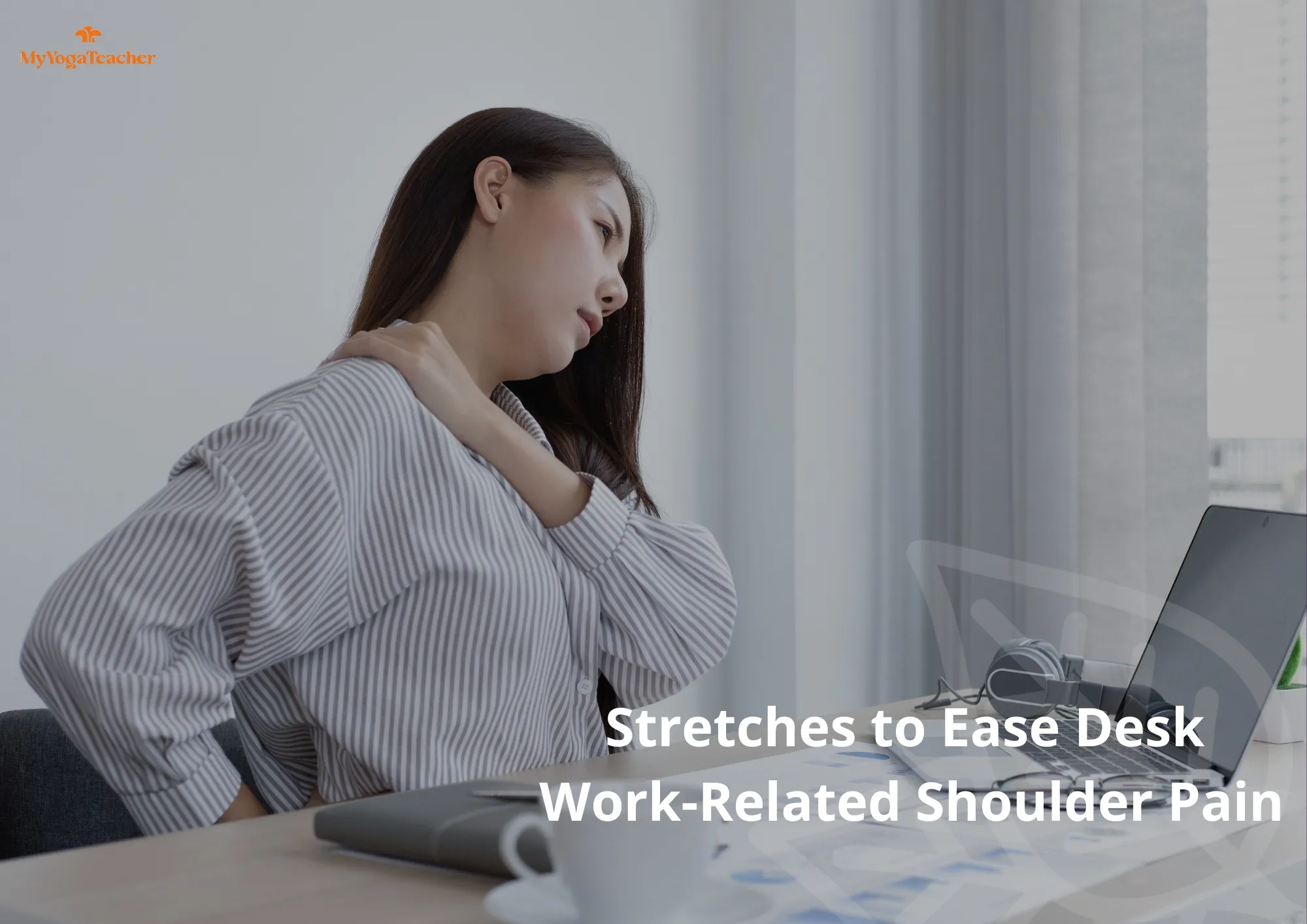
Shoulder blade tightness often becomes noticeable after long periods of typing, using a mouse, looking at a screen, or sitting with little variation in position. Regular movement can help prevent one posture from dominating the entire workday, although persistent pain should not automatically be blamed on desk work.
Why Desk Work Can Feel Uncomfortable Around the Shoulder Blade
The shoulder blade, or scapula, works with muscles around the upper back, chest, shoulder, and neck. Staying relatively still for long periods may leave some of those areas feeling tired, stiff, or tense.
The shoulder itself is highly mobile and depends on muscles, tendons, and ligaments for stability. MedlinePlus lists strains, tendinitis, bursitis, rotator cuff problems, arthritis, and other conditions among potential shoulder problems.
People browsing everyday comfort topics may find many posture suggestions, but no single seated position needs to be held rigidly for hours.
Add Small Movement Throughout the Day
Frequent movement does not require a full workout. Standing briefly, walking to another room, gently changing arm position, or moving the shoulders through a comfortable range can interrupt long periods of stillness.
General care information can provide ideas for everyday routines, but the easiest habit is often attaching movement to something that already happens, such as finishing a call or refilling water.
Adjust the Workstation Too
Place frequently used items where you can reach them without repeatedly twisting or stretching. A mouse positioned too far away, for example, may encourage you to hold one arm forward for long periods.
| Desk Habit | Common Effect | Better Adjustment |
|---|---|---|
| Mouse far away | Reaching forward | Keep it closer |
| Screen off-center | Repeated rotation | Center primary screen |
| Long sitting blocks | Reduced movement | Change position regularly |
| Raised shoulders | Muscle fatigue | Relax arms and shoulders |
Movement Should Feel Comfortable
Shoulder circles, gentle arm movements, and brief walks may feel useful when stiffness comes from prolonged sitting. Movement should stay within a comfortable range rather than forcing through sharp pain.
People reading digital wellness material may see long lists of stretches. More is not necessarily better. A small movement performed regularly can be more practical during a workday than an elaborate routine that gets abandoned.
What People Often Misread
Not every ache around the shoulder blade comes from poor posture. Pain may also relate to the shoulder joint, muscles, neck, nerves, an injury, or another medical issue.
Another mistake is searching for one perfect sitting posture and then freezing in it. Comfortable positioning matters, but movement and variation are also useful. Persistent symptoms deserve more attention than simply trying to “sit straighter.”
Signs That Shouldn’t Wait
Get medical help after a significant injury or when pain is severe, rapidly worsening, or accompanied by obvious deformity, substantial swelling, weakness, loss of normal arm function, or persistent numbness or tingling.
Shoulder symptoms accompanied by chest pain, breathing difficulty, faintness, or other sudden concerning symptoms warrant urgent evaluation. MedlinePlus provides an overview of common shoulder injuries and disorders and how they may be assessed.
Frequently Asked Questions
Can sitting all day make the shoulder blades feel tight?
Long periods with little movement can contribute to muscular discomfort and stiffness. The pattern is not specific, though, and recurring symptoms can have causes unrelated to desk posture.
How often should I move at my desk?
There is no single schedule that suits everyone. Aim to avoid remaining completely still for extended periods by changing position, standing, or walking periodically whenever your work allows.
Should I stretch a painful shoulder blade?
Gentle movement may be reasonable when it feels comfortable, but sharp or increasing pain is a reason to stop. Symptoms following injury or accompanied by weakness, numbness, or major movement loss deserve medical evaluation.
Build Movement Into the Workday
Instead of trying to maintain a perfect posture from morning to evening, make the workstation comfortable and change position regularly. Small movement breaks can be easier to sustain than complicated correction routines.
If tightness keeps returning, becomes painful, or begins limiting normal shoulder movement, professional assessment can help clarify what is actually causing it.
This article is for general informational purposes and is not a substitute for professional medical advice, diagnosis, or treatment.