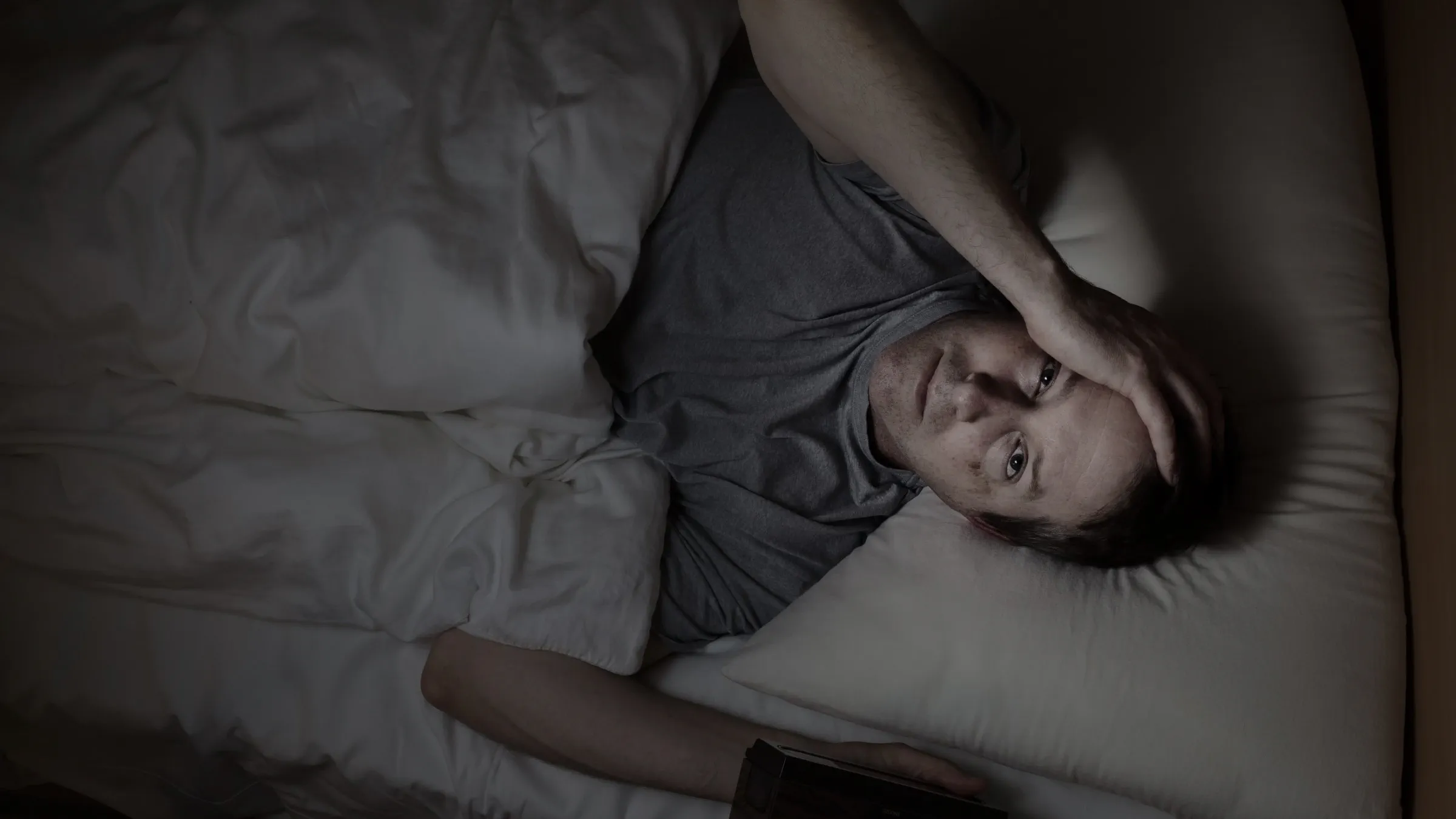
An afternoon headache may appear after hours of limited fluid intake, missed meals, screen use, stress, or caffeine changes. Better hydration may help when dehydration contributes to the pattern, but a recurring headache shouldn’t automatically be blamed on water intake. Headaches have many possible causes, and persistent changes deserve attention.
Look at the Daily Pattern First
Timing can provide useful clues. A headache that repeatedly appears after several busy hours may coincide with reduced drinking, prolonged concentration, bright screens, muscular tension, or delayed food intake.
When reviewing general online reading, separate broad lifestyle discussion from medical evidence. A headache diary can be more useful than guessing because it records what was happening before symptoms began.
Track More Than Water
Record meals, sleep, caffeine, exercise, stress, screen time, and headache duration. Also note whether symptoms improve after rest, food, fluids, or leaving a bright environment.
Patterns collected over several episodes can give a clinician more context if evaluation becomes necessary.
Hydration May Be One Piece of the Puzzle
Dehydration can accompany headache, especially when fluid losses are increased by heat, exercise, illness, or limited intake. Still, drinking large amounts of water isn’t a universal headache treatment.
People browsing broader wellness articles may encounter many proposed triggers. Treat those ideas as possibilities rather than diagnoses, particularly when headaches are new or changing.
| Pattern | Possible Context | Useful Observation |
|---|---|---|
| Headache after little fluid | Dehydration possible | Review fluid intake |
| Pain after long screen use | Eye strain or tension | Note screen duration |
| Headache after skipped meal | Hunger-related trigger | Track meal timing |
| Sudden severe pain | More concerning pattern | Seek prompt care |
Build Steadier Hydration Habits
Instead of trying to compensate late in the day, spread fluid intake across normal waking hours. Drinking with meals and keeping water accessible can make consistency easier.
Urine color, thirst, weather, activity, and fluid losses can all provide context, although none should be treated as a diagnostic test. General everyday information sources can support lifestyle reading, but medical decisions should rely on appropriate health guidance.
Why Hydration Isn’t the Whole Explanation
A headache that improves after drinking water doesn’t prove dehydration caused it. Resting, eating, stepping away from a screen, or simply allowing time to pass may occur at the same moment.
Recurring headaches can overlap with migraine, tension-type headache, medication effects, sleep problems, vision issues, infections, and other conditions. Symptoms alone often cannot identify the cause.
When Should You Get Medical Help?
Seek prompt medical attention for a sudden severe headache, a major change in an established headache pattern, or headache accompanied by concerning symptoms such as weakness, confusion, loss of consciousness, seizures, or significant vision changes. The National Institute of Neurological Disorders and Stroke lists several such warning signs that warrant medical evaluation.
Frequently Asked Questions
Can dehydration cause headaches later in the day?
It can contribute in some people, particularly when fluid intake has been low or fluid losses have increased. Timing alone doesn’t prove dehydration is the cause, so recurrent symptoms should be considered in context.
Can too much caffeine affect afternoon headaches?
Changes in caffeine intake can influence headaches for some people. Both high intake and withdrawal after regular use may matter, which is why tracking timing and quantity can be useful.
Should I see a doctor for headaches that happen every afternoon?
Recurring headaches deserve medical discussion when they continue, worsen, change pattern, interfere with daily life, or are accompanied by other concerning symptoms. A headache diary can help describe the pattern clearly.
Pay Attention to Repeated Patterns
Better hydration is a sensible habit, but persistent afternoon headaches should not be reduced to a single explanation without evidence. Track the circumstances surrounding each episode and address obvious lifestyle triggers where reasonable. If headaches remain frequent, unexplained, worsening, or unusual for you, arrange an appropriate medical evaluation.
This article is for general informational purposes and is not a substitute for professional medical advice, diagnosis, or treatment.