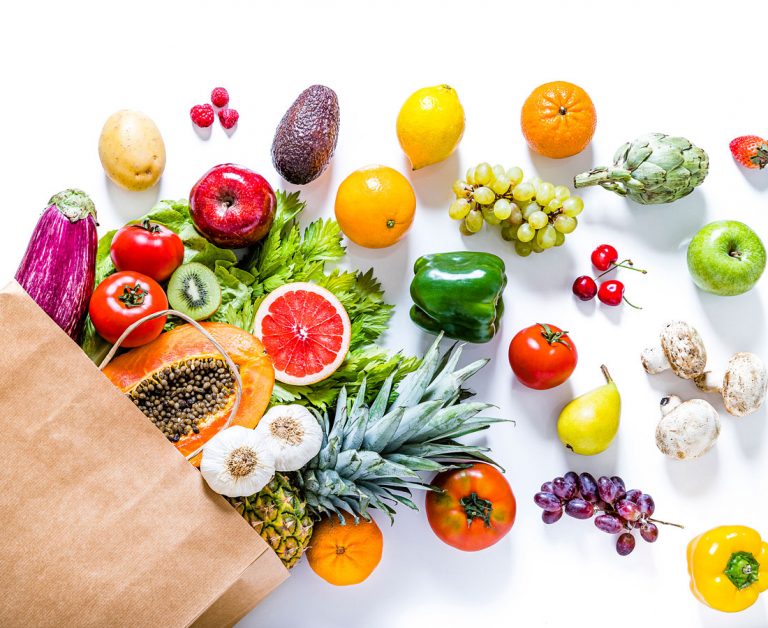
Eating more fruit becomes easier when fruit is available at the exact moments you normally want something quick. Fresh fruit is useful, but frozen, canned, and dried options can also reduce preparation and waste. Instead of depending on motivation, make fruit one of the easiest foods to reach during breakfast, snacks, and meals.
Fruit Doesn’t Have to Be Fresh to Be Useful
Fruit contributes fiber, vitamins, minerals, water, and other nutrients to the diet. CDC guidance notes that fresh, frozen, and canned fruit can all be useful choices, with attention to added sugars or syrups in packaged products.
That flexibility matters because fresh produce can spoil quickly. Frozen berries, unsweetened applesauce, canned peaches packed without heavy syrup, or dried fruit can provide alternatives when shopping happens less frequently.
Attach Fruit to Meals You Already Eat
Trying to remember to “eat more fruit” is vague. Connecting fruit to an established routine works better. Add berries or banana to breakfast, put an apple beside lunch, or make fruit the first snack option you see after work.
While browsing general healthy-living material, it’s useful to separate practical habit ideas from individualized nutritional advice. The simplest routine is often the one that consistently puts nutritious choices within reach.
Visibility also matters. Fruit hidden behind other foods in the refrigerator is easy to forget. Keep washed options where they can be seen, or place shelf-stable fruit where snacks are normally stored.
Choose Formats That Match Your Schedule
A person commuting early may not want to cut melon before leaving home. Bananas, mandarins, grapes, dried fruit, or small containers of frozen fruit prepared the night before may work better.
Online wellness information sources can offer plenty of eating ideas, but convenience is personal. The useful choice is one that fits your schedule, budget, storage space, and food preferences.
| Situation | Convenient Fruit | Helpful Preparation |
|---|---|---|
| Quick breakfast | Banana or berries | Add to oats or yogurt |
| Desk snack | Apple or orange | Keep nearby |
| Longer storage | Frozen fruit | Store for smoothies or bowls |
| Packed lunch | Unsweetened fruit cup | Chill ahead if preferred |
Use Fruit Without Turning It Into a Chore
Fruit doesn’t always need to be eaten separately. Add chopped fruit to oatmeal, pair an apple with peanut butter, mix berries into plain yogurt, or serve fruit alongside a regular meal.
People comparing everyday nutrition content may see complicated meal systems, but adding fruit can remain uncomplicated. A bowl on the counter or a bag of frozen fruit may be more useful than an ambitious weekly recipe plan.
Whole fruit is usually more filling than juice because the intact fruit supplies fiber. CDC guidance specifically encourages choosing whole fruit over juice when possible.
What People Often Get Wrong About Fruit
One mistake is assuming only expensive, perfectly fresh produce “counts.” Another is buying large quantities of fruit with good intentions and throwing much of it away days later.
Variety and practicality matter more than appearance. Frozen and canned choices can reduce waste, while familiar affordable fruits are completely reasonable. Fruit also doesn’t need to replace every snack. It can simply become one more dependable option within an overall eating pattern.
When Low Intake May Reflect a Bigger Problem
Low fruit intake by itself usually isn’t an urgent medical issue. Professional advice may be helpful, however, when poor appetite, swallowing problems, persistent digestive symptoms, significant food restriction, allergies, or unexplained weight loss are limiting the foods someone can tolerate.
For mainstream guidance on choosing and using fruits in different forms, see the CDC’s current fruit and vegetable recommendations. CDC Fruit and Vegetable Tips
Frequently Asked Questions
Is frozen fruit as useful as fresh fruit?
Frozen fruit can be a nutritious and convenient option. Choose varieties without unnecessary added sugars and store them for breakfasts, snacks, smoothies, or desserts.
Is dried fruit a reasonable option?
Yes, though portions can be smaller because water has been removed. Choosing products without large amounts of added sugar can keep the option simpler.
How can I stop fresh fruit from going to waste?
Buy smaller amounts, choose different ripeness levels, freeze extras before they spoil, and combine fresh fruit with longer-lasting frozen or canned choices.
Put Fruit Where the Decision Happens
Improving low fruit intake often comes down to access rather than complicated nutrition planning. Keep two or three convenient forms available, connect them to meals you already eat, and buy realistic quantities. Fruit that fits naturally into your schedule is far more likely to be eaten than produce purchased for an idealized routine.
This article is for general informational purposes and is not a substitute for professional medical advice, diagnosis, or treatment.