A roof is one of the most important structural elements of any home, yet it is also one of the most exposed to constant environmental stress. Rain, wind, temperature shifts, and general ageing gradually weaken roofing systems, often in ways that are not immediately visible to homeowners.
While minor maintenance can sometimes be managed independently, effective roof repair typically requires the expertise of professional roofers. Their role extends far beyond simple patchwork, involving detailed assessment, technical repair work, safety management, and long-term protection strategies. Understanding how roofers contribute to home roof repair helps homeowners make informed decisions that protect both property value and structural integrity.
Accurate Roof Inspection and Diagnosis
One of the most important contributions roofers provide is accurate inspection and diagnosis. What may appear to be a small leak or surface damage can often indicate deeper structural issues beneath shingles or tiles. Roofers are trained to identify early warning signs such as weakened underlayment, compromised flashing, or hidden moisture damage.
Their diagnostic process is systematic, often involving both external examination and internal checks within loft spaces. This allows them to trace the exact source of a problem rather than simply treating visible symptoms. By identifying root causes, roofers prevent recurring issues and ensure that repairs are both effective and long-lasting.
Professional Repair Techniques and Material Knowledge
Home roof repair requires technical skill and an understanding of different roofing materials. Roofers work with a variety of systems including slate, asphalt shingles, clay tiles, and flat roofing membranes. Each material responds differently to weathering and requires specific repair methods.
For example, replacing damaged shingles involves precise alignment to maintain water resistance, while repairing flat roofs may require sealing compounds or membrane patches to restore waterproofing integrity. Roofers also ensure that replacement materials match existing structures to maintain consistency and performance. Their technical expertise reduces the risk of improper repairs that could lead to further damage over time.
Safety Management During Repair Work
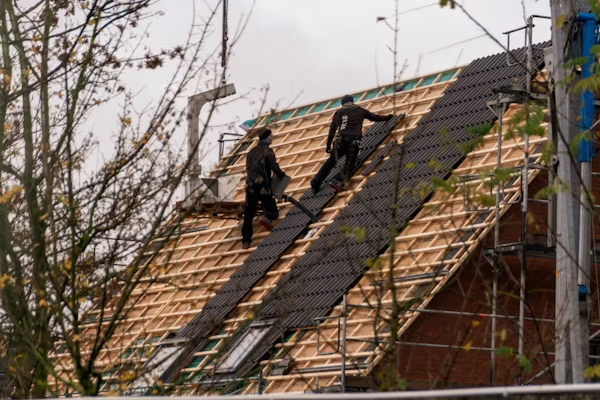
Roof repair is inherently risky due to height, surface instability, and weather exposure. Professional roofers are trained in safety procedures that significantly reduce the risk of accidents. They use specialised equipment such as harness systems, scaffolding, and secure ladders to maintain stability while working.
Beyond personal safety, they also ensure that the surrounding property is protected during repair work. This includes managing falling debris, securing loose materials, and controlling access to hazardous areas. Their structured approach allows repairs to be completed efficiently without compromising safety standards for either workers or homeowners.
Preventing Future Damage Through Preventative Care
Roofers do more than fix immediate problems; they also help prevent future damage. After completing repairs, they often assess the overall condition of the roof to identify potential weaknesses. This can include checking drainage systems, evaluating ventilation, and inspecting structural joints.
By addressing minor vulnerabilities early, roofers help extend the lifespan of the roof and reduce the likelihood of costly repairs later. Preventative recommendations, such as routine maintenance schedules or material upgrades, are often part of their service and contribute to long-term roof stability.
Extending Roof Lifespan Through Expert Intervention
Ultimately, roofers play a crucial role in extending the functional lifespan of a home’s roof. Their combination of diagnostic skill, technical repair capability, and preventative insight ensures that roofing systems remain strong and weather-resistant.
By intervening early and applying professional standards, roofers help homeowners avoid structural deterioration, water damage, and unnecessary replacement costs. Their work not only restores immediate functionality but also strengthens the overall resilience of the home’s protective structure.