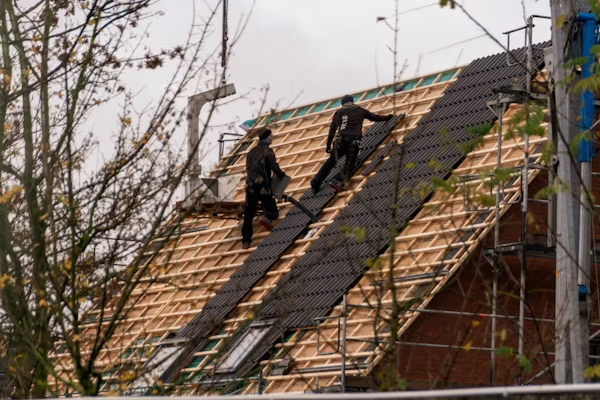
As environmental awareness grows, more homeowners are choosing to build custom homes that are not only beautiful and functional but also eco-friendly. One way to ensure that your custom home meets sustainability standards is by obtaining green building certifications. These certifications, such as LEED (Leadership in Energy and Environmental Design) and Passive House, help to verify that the home has been constructed with sustainable materials and energy-efficient practices. In 2026, green custom home building will be more than just a trend. It will become a standard practice in custom home construction. This article will explore the importance of green building certifications and how they can impact the design, construction, and performance of your custom home.
What Are Green Building Certifications?
Green building certifications are third-party endorsements that verify a home’s environmental performance. These certifications assess various aspects of construction, including the home’s energy efficiency, water conservation, use of sustainable materials, and overall impact on the environment.
Some of the most well-known green building certifications include:
- LEED: The LEED certification, established by the U.S. Green Building Council, is one of the most recognized green building standards. It evaluates homes based on a point system across categories such as energy use, lighting, water, and material use.
- Passive House: This certification focuses on creating ultra-low energy buildings with rigorous standards for insulation, airtightness, and energy efficiency. Passive House homes require minimal energy for heating and cooling, making them highly energy-efficient.
- Net Zero Energy: Homes that achieve this certification produce as much energy as they consume over the course of a year, typically through solar panels or other renewable energy sources.
These certifications provide homeowners with the assurance that their home is built to the highest standards of sustainability and efficiency, helping reduce both their environmental impact and utility bills.

Why Should You Pursue a Green Building Certification for Your Custom Home?
Opting for a green building certification in your custom home offers a multitude of benefits, both environmental and financial. Here are the key advantages:
- Environmental Impact: Green homes are designed to minimize energy consumption, reduce waste, and lower water usage, which contributes to a healthier planet.
- Cost Savings: Sustainable homes often feature energy-efficient appliances, advanced insulation, and renewable energy systems like solar panels. These features reduce long-term energy costs, helping homeowners save money over the years.
- Health and Well-Being: Green homes often use non-toxic materials, improve indoor air quality, and incorporate natural light, which has been shown to benefit physical and mental health.
- Market Value: Homes with green certifications often have higher resale values due to their eco-friendly features and energy efficiency, making them a wise investment.
By building a custom home with a green building certification, you’re not only reducing your carbon footprint but also ensuring long-term financial and health benefits for you and your family.

How Green Certifications Affect Custom Home Design
When designing a custom home, pursuing a green certification will influence every aspect of the project, from the materials used to the overall energy performance of the building. Here are some key design considerations for achieving a green certification:
- Energy Efficiency: Homes built with energy efficiency in mind often include high-performance windows, advanced insulation, and energy-efficient heating and cooling systems. Solar panels and other renewable energy solutions are also commonly integrated into green homes to reduce reliance on traditional energy sources.
- Water Conservation: Water-saving technologies, such as low-flow plumbing fixtures, rainwater harvesting systems, and drought-resistant landscaping, are essential for green homes.
- Sustainable Materials: The use of eco-friendly materials, such as recycled steel, bamboo, or reclaimed wood, is a key factor in obtaining a green certification. These materials reduce the environmental impact of the construction process and contribute to a healthier indoor environment.
By working with a builder experienced in green construction, you can ensure that your custom home meets the rigorous standards set by green building certifications.
Choosing the Right Green Certification for Your Custom Home
When pursuing a green building certification for your custom home, it’s important to choose the certification that aligns with your goals and priorities. While LEED is widely recognized and applicable to various types of buildings, Passive House may be the best option for homeowners who want to create a high-performance, ultra-energy-efficient home. Here’s a comparison of the most popular green building certifications:
| Certification | Key Focus | Best for |
| LEED | Energy efficiency, water use, air quality, and materials. | Homeowners seeking a well-rounded green home. |
| Passive House | Ultra-low energy consumption, airtight design, and thermal efficiency. | Homeowners who prioritize energy efficiency and sustainability. |
| Net Zero Energy | Homes that produce as much energy as they consume over a year. | Homeowners interested in fully renewable energy homes. |
When choosing a certification, it’s important to consult with your custom home builder, as they can help guide you through the process and ensure that your design meets the necessary criteria.
The Cost of Going Green: What to Expect
While pursuing a green building certification can add to the initial cost of building your custom home, the long-term savings often outweigh the upfront investment. Green-certified homes are more energy-efficient, which leads to lower utility bills over time. Additionally, many cities, including Vaughan and Mississauga, offer tax incentives or rebates for homeowners who invest in energy-efficient or sustainable building practices.
The cost of obtaining a green certification can vary based on the size and complexity of the project, the certification you pursue, and the materials you use. However, with careful planning and budgeting, the benefits—both financial and environmental—make green home building a worthwhile investment.
Conclusion: Building a Sustainable Custom Home with Green Certifications
In 2026, green building certifications are no longer just an option—they’re a standard for creating sustainable, energy-efficient, and healthy custom homes. Whether you’re aiming for LEED, Passive House, or Net Zero Energy, incorporating green building principles into your custom home design ensures that your home is built to last, both in terms of environmental impact and long-term savings.
To start your journey toward a green custom home, consult with experts who understand the intricacies of green building certifications. For more information on how to make your custom home sustainable and efficient, visit Xavieras Custom Homes.