Buying a budget phone becomes confusing when every product page treats more features as automatically better. The useful starting point is simpler: decide how the device will serve calls, messaging, photos, maps, banking, social apps, and dependable daily battery life, then compare only the specifications that affect those jobs. Price still matters, but so do comfort, support, compatibility, and the cost of owning the product for several years. Shoppers who want more background can consult practical smartphone research, but the final decision should stay tied to real usage rather than hype.
Five Budget Phone Brands to Consider
A practical comparison begins with software support, battery, camera consistency, storage, RAM, display quality, and 5G and carrier support. Those factors create a much clearer shortlist than sorting by the newest model or the biggest headline number. The five companies or buying channels below represent different approaches to the category. They are not ranked from best to worst; use them as reference points for matching features, support, and ownership tradeoffs to your own priorities.
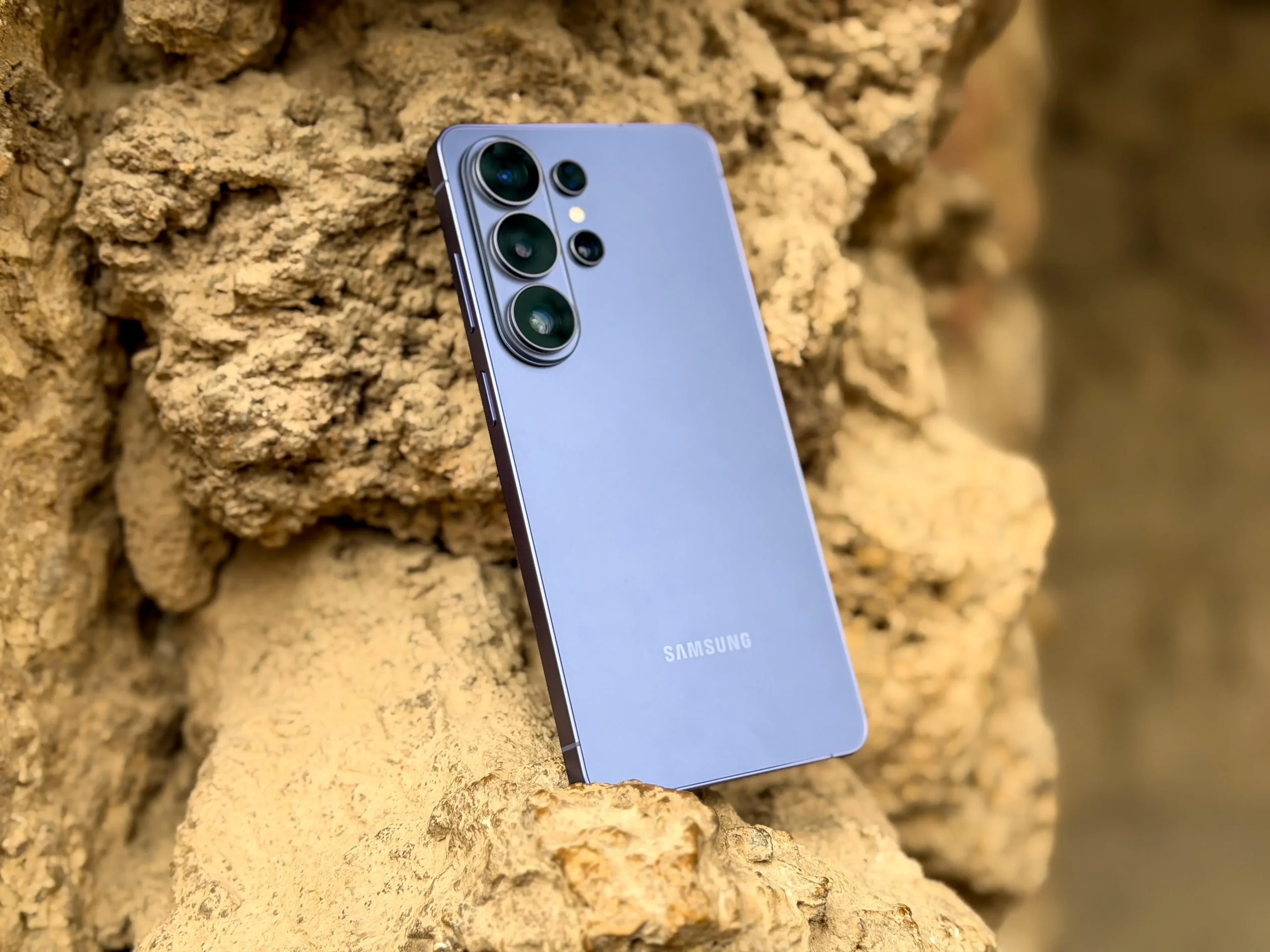
1. Samsung
Samsung’s more affordable Galaxy models give budget shoppers a recognizable Android ecosystem with different screen sizes and feature levels. Compare the specific device’s update policy, storage, camera setup, and display instead of assuming all Galaxy phones behave like flagship models.
2. Motorola
Motorola has many competitively priced Android phones, often emphasizing battery life and large screens. It can be a good fit for basic everyday use, but buyers should pay close attention to update commitments, storage, and whether features such as NFC are included.
3. OnePlus
OnePlus sells lower-priced models alongside its premium phones, giving shoppers access to a responsive Android experience without flagship pricing. The most useful comparison is whether camera quality, update length, and network compatibility meet your needs rather than chasing maximum benchmark speed.
4. Google
Google’s lower-cost Pixel models can appeal to buyers who value camera processing and first-party Android software. They may cost more than entry-level devices, so the question is whether longer usefulness, software features, and photo quality justify the difference for you.
5. HMD
HMD offers affordable Android phones aimed at practical everyday use in selected markets. It is worth comparing when repairability, simple features, and basic smartphone needs matter, but U.S. buyers should verify carrier bands and retail availability before purchasing.
Protect the Essentials Before Paying for Extras
Before paying, write down the three tasks the budget phone must handle well and the two frustrations you most want to avoid. That simple list keeps optional extras from becoming false requirements. Use budget phone research as supplementary reading, then verify the exact model, warranty, compatibility, and return terms with the seller or manufacturer before checkout. If two options meet the same core need, prefer the one that is easier to own: simpler support, appropriate capacity, sensible accessories, and fewer compromises you will notice every day.
A second useful test is to compare the total setup rather than the product alone. Accessories, subscriptions, adapters, replacement parts, service plans, and future upgrades can change the real cost. Buying a slightly less ambitious device can be smarter if it avoids expensive add-ons or gives you a better fit for your routine.
Frequently Asked Questions
How much should I spend on a budget phone?
Spend enough to get reliable software support, sufficient storage, acceptable camera quality, and smooth performance for your main apps. The cheapest device can be poor value if it becomes frustrating within a year, while a sensible midrange phone can last longer and cost less per year of use.
Is 5G essential on a low-cost phone?
It is useful if your carrier provides strong 5G coverage and you plan to keep the phone for several years. However, modem quality, battery life, storage, and software support may have more impact on daily satisfaction than the presence of a 5G logo alone.
What feature should I avoid sacrificing first?
For most buyers, avoid sacrificing software support, battery health, and enough storage. Camera extras and premium materials are easier to live without. A phone that stays secure, holds your apps, and lasts through the day is a better foundation than one flashy feature.
Make the Budget Serve the Essentials
The strongest buying decision is the one you can explain in plain language: what problem the product solves, which features matter, and which features you deliberately ignored. A budget phone succeeds when it handles essentials quietly for years, not when it imitates every flagship feature. If you want another perspective before spending, value-phone guidance can support your comparison, but the last check should always be your own workload, budget, and tolerance for compromise.