
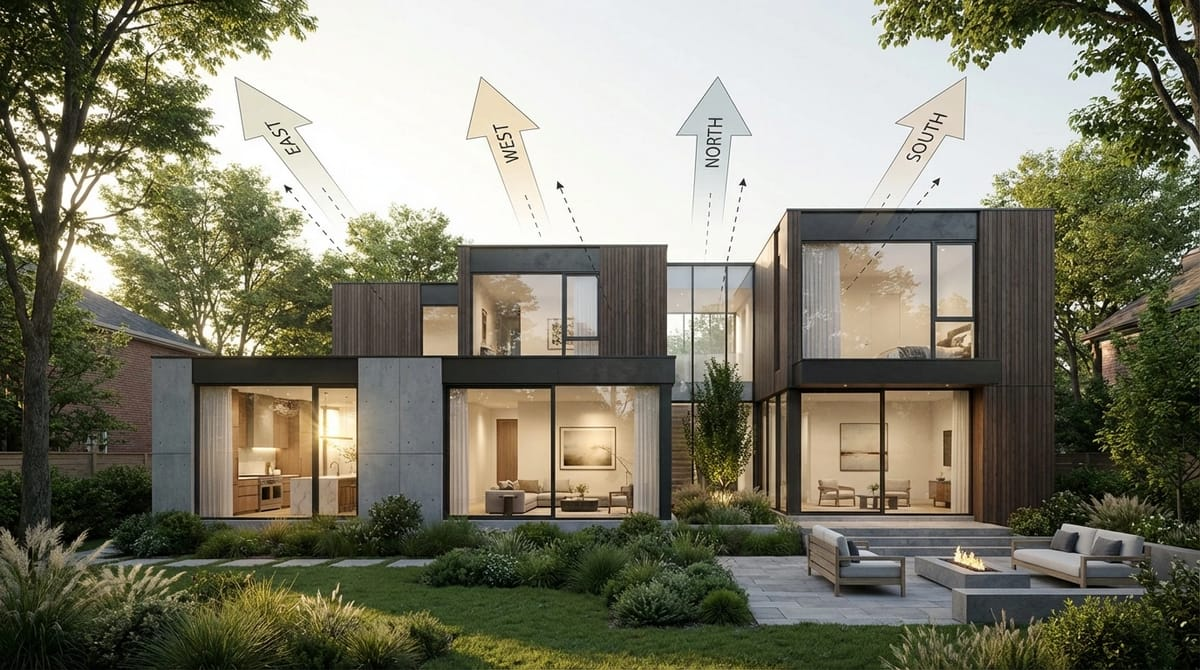
Choosing the right lot size and orientation for build a custom home in Toronto plays a major role in how comfortable, efficient, and functional your home will be. The direction a lot faces affects sunlight, energy use, and even how interior spaces are designed. Understanding these factors early helps homeowners make better decisions before construction begins.
Understanding Toronto Zoning Rules and Lot Restrictions
Before evaluating sunlight exposure or backyard size, it is critical to understand how Toronto zoning bylaws affect residential construction. Every property in the city is regulated by zoning categories that control what can be built, how large it can be, and where it must sit on the lot.
These regulations influence both lot size requirements and the orientation of your future structure.
Key zoning factors that influence custom home design include:
- Minimum Lot Frontage
Many Toronto neighborhoods require minimum frontage widths ranging from 7.5 m to over 15 m depending on zoning category. Narrow lots limit architectural flexibility and may require specialized designs.
- Lot Coverage Limits
Bylaws typically restrict the percentage of the lot that the building footprint can occupy. This ensures space for landscaping, drainage, and setbacks.
- Setback Requirements
Homes must be positioned a certain distance from the front, rear, and side property lines. These setbacks significantly influence where the house can be oriented.
- Height Restrictions
Most residential zones allow building heights between 9 and 12 meters. Orientation decisions sometimes affect roofline design, especially when maximizing solar gain.
- Angular Plane Rules
Toronto planning guidelines often require roofs or upper floors to slope away from neighboring homes to protect sunlight access.
- Floor Space Index (FSI)
FSI limits the total interior floor area relative to lot size. Larger lots often allow larger homes.
Understanding these regulations early prevents expensive redesigns later in the permitting process. Professional builders typically conduct zoning analysis before clients purchase a lot.
Why Lot Orientation Matters for Natural Light and Energy Efficiency
Lot orientation determines how much sunlight your home receives throughout the day and across different seasons. In Toronto’s climate, homes with strong southern exposure often benefit from increased natural light and passive solar heating during winter months, which can help improve indoor comfort and reduce energy consumption.
Orientation also affects cooling needs during the summer. West facing areas may experience stronger afternoon heat, while north facing sides receive softer, indirect light. By understanding these patterns, homeowners and designers can position windows, living areas, and shading elements to balance natural light, temperature control, and overall energy efficiency.
Ideal Lot Sizes for Different Custom Home Designs
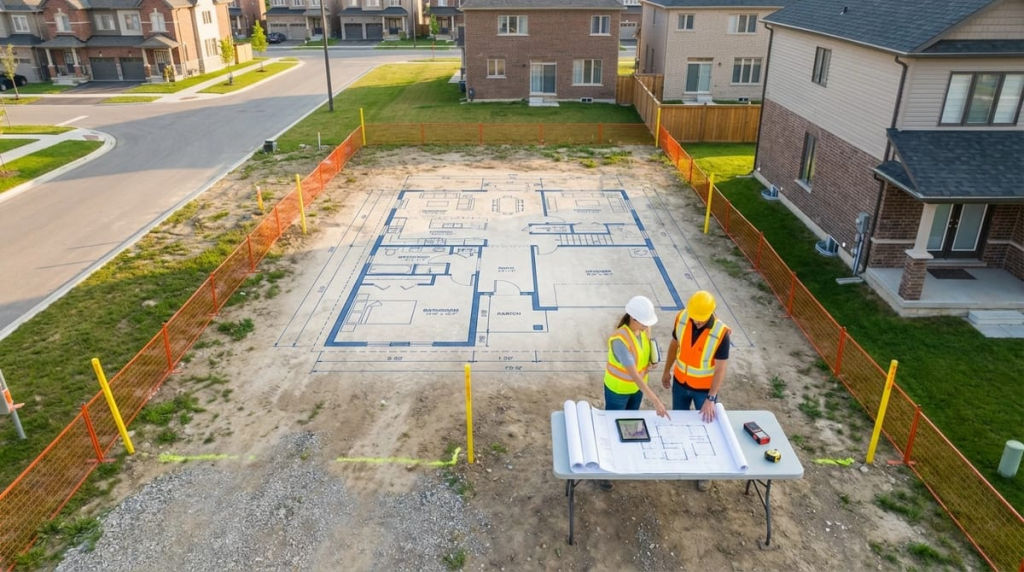
Not every custom home requires the same amount of land. The optimal lot size depends on architectural style, family needs, and municipal regulations.
Common lot size considerations include:
• Urban Narrow Lots (25 to 35 ft frontage)
These lots are common in central Toronto neighborhoods. Custom homes on narrow lots often feature vertical layouts with three stories and efficient space planning.
• Standard Suburban Lots (40 to 50 ft frontage)
These properties provide greater design flexibility. They allow wider floor plans, attached garages, and more generous backyard space.
• Luxury Estate Lots (60 ft frontage and larger)
Larger lots enable expansive layouts, private driveways, detached garages, swimming pools, and extensive landscaping.
• Corner Lots
These offer additional frontage and architectural presence but also come with stricter setback requirements.
• Irregular or Pie Shaped Lots
These can create unique backyard spaces but require careful architectural planning.
• Deep Lots (150 ft or more depth)
Deep properties are ideal for large outdoor amenities such as gardens, pools, or laneway suites.
Working with a custom builder early allows homeowners to determine which lot dimensions will best support their desired home size and lifestyle features.
Typical Toronto Lot Dimensions and Their Design Implications
The table below illustrates how common lot sizes in Toronto influence custom home design possibilities.
| Lot Frontage | Typical Depth | Approx Lot Area | Design Opportunities | Common Limitations |
| 25 ft | 100 to 120 ft | 2500 to 3000 sq ft | Urban infill homes, three story designs | Limited driveway space, tighter interior layouts |
| 30 to 35 ft | 100 to 120 ft | 3200 to 4200 sq ft | Comfortable family homes, small garages | Backyard size may still be moderate |
| 40 ft | 110 to 130 ft | 4400 to 5200 sq ft | Ideal for many custom homes with garages | Some zoning restrictions on coverage |
| 50 ft | 120 to 150 ft | 6000 to 7500 sq ft | Large custom homes, outdoor amenities | Higher land cost |
| 60 ft and above | 130 ft or more | 7800+ sq ft | Luxury estates, pools, guest suites | Premium land prices and higher taxes |
In Toronto’s high value neighborhoods, the lot often represents the majority of the property’s cost. Buyers frequently purchase older homes specifically to demolish and rebuild in order to take advantage of desirable lot dimensions.
Site Conditions That Affect Lot Suitability
Even if a property has the ideal size and orientation, physical site conditions can significantly affect construction complexity and cost.
Important factors builders evaluate include:
- Soil Quality
Poor soil conditions may require deeper foundations or soil stabilization.
- Slope and Grading
Sloped lots can create beautiful walkout basements but may require retaining walls or additional engineering.
- Drainage Patterns
Proper water runoff is essential to prevent flooding or basement moisture problems.
- Tree Preservation Rules
Toronto enforces strict tree protection bylaws. Removing protected trees may require permits or replacement planting.
- Existing Structures
If demolishing an older house, contractors must safely disconnect utilities and remove hazardous materials.
- Utility Access
Sewer connections, water lines, and electrical infrastructure influence building placement.
- Access for Construction Equipment
Narrow urban streets sometimes limit the movement of heavy machinery.
Professional site analysis ensures that hidden issues do not dramatically increase construction budgets later.
How Builders Optimize Home Layout Based on Lot Orientation
Experienced custom home builders study the lot’s orientation before finalizing the architectural layout. Living spaces such as family rooms and kitchens are often positioned where natural light is strongest, while utility areas like staircases, storage rooms, or garages may be placed on sides with less sunlight.
Outdoor spaces are also planned with orientation in mind. Builders frequently design patios, decks, and backyard areas to capture the most sunlight during the day. Through careful planning of window placement, room positioning, and landscaping, the home can take full advantage of the property’s natural conditions.
Cost Factors Influenced by Lot Size and Orientation
Choosing the right property is not only a design decision. It directly impacts the financial structure of a custom home project.
Several cost categories are influenced by lot characteristics:
• Land acquisition cost
Larger lots or those located in premium neighborhoods command significantly higher prices.
• Site preparation expenses
Sloped or rocky terrain can increase excavation and foundation costs.
• Demolition and debris removal
When replacing an existing home, demolition permits and waste disposal must be considered.
• Utility relocation
Sometimes utility lines must be moved to accommodate the new building footprint.
• Landscaping investment
Bigger properties often require extensive landscaping, fencing, and irrigation systems.
• Energy performance
Homes oriented for optimal solar gain can reduce long term heating and cooling costs.
Experienced builders often conduct feasibility assessments that estimate these expenses before construction begins. This approach helps homeowners avoid unexpected budget increases.
Toronto Permits and Planning Approvals for Custom Homes
Constructing a custom home in Toronto requires several approvals from municipal authorities. These permits ensure that projects comply with zoning bylaws, safety regulations, and environmental policies.
The typical approval process includes the following steps:
- Zoning Review
Architects verify that the proposed design complies with local zoning regulations.
- Committee of Adjustment Applications
If a project exceeds zoning limits, homeowners may apply for minor variances.
- Tree Protection Permits
Required when construction affects protected trees.
- Demolition Permits
Necessary when removing an existing structure from the lot.
- Building Permit Approval
Detailed architectural drawings must be submitted for review.
- Engineering Reviews
Structural, mechanical, and energy compliance documentation must be approved.
- Inspections During Construction
Municipal inspectors verify that work meets building code requirements.
Because Toronto’s permitting process can take several months, professional builders often begin applications early in the design phase.
Conclusion
Selecting the right lot size and orientation for a custom home in Toronto helps ensure better natural lighting, improved energy efficiency, and a more comfortable living environment. With thoughtful planning and professional guidance, homeowners can design a property that works with the natural conditions of the lot while supporting long term value and lifestyle needs.
FAQ
1. What is the minimum lot frontage required to build a custom home in Toronto?
Minimum frontage varies by zoning category. Many residential areas require between 7.5 and 12 meters of frontage, although some neighborhoods require larger dimensions for detached homes.
2. Is it possible to build a custom home on a narrow 25 foot lot in Toronto?
Yes. Many custom homes are built on 25 foot lots, especially in older urban neighborhoods. However, design must account for setbacks, parking requirements, and floor space index restrictions.
3. Do I need a permit to demolish an existing house before building a custom home?
Yes. The City of Toronto requires a demolition permit. Contractors must also disconnect utilities and follow regulations related to hazardous materials such as asbestos.
4. Can I change the orientation of my home if the lot faces north?
While the front of the home usually faces the street, architects can design layouts that maximize sunlight through rear or side windows, skylights, and open interior spaces.
5. How long does it take to receive building permits for a custom home in Toronto?
The process typically takes several months depending on zoning compliance, design complexity, and whether minor variances are required through the Committee of Adjustment.


